
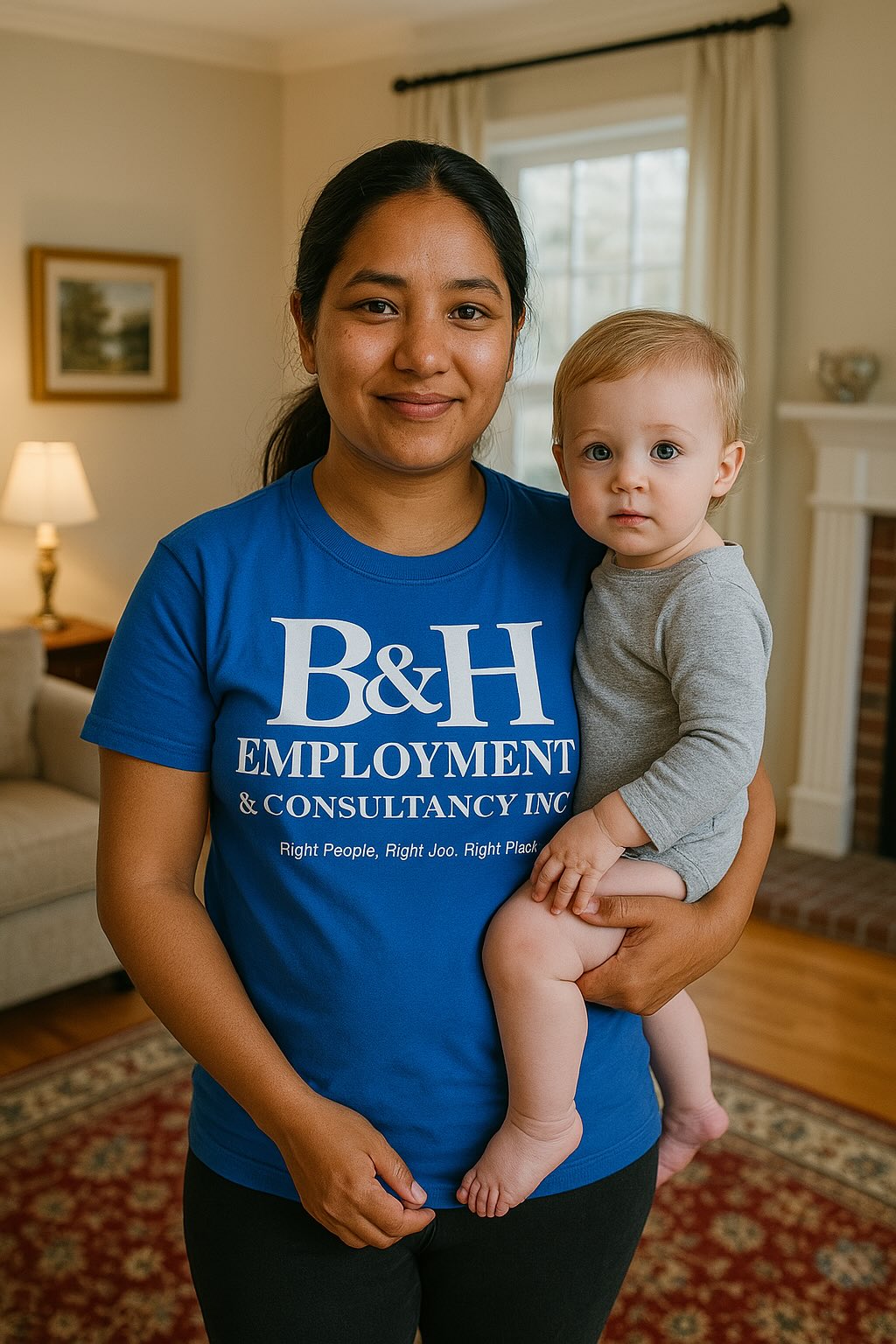
Why Nepali Workers Are the Most Trusted in Indian Homes
Why Nepali Workers Are the Most Trusted in Indian Homes (The Heart of Household Harmony)
The Deep Bond Between Indian Families and Nepali Workers
Over the years, a strong emotional and cultural connection has blossomed between Indian families and Nepali domestic workers. This relationship goes beyond mere employment, creating a bond of trust and mutual respect that has become the foundation of many Indian households in the United States, particularly in New York City.
A Relationship Built on Respect and Routine
Indian homes thrive on routine, respect, and emotional connection. Nepali workers have naturally adapted to these values, understanding the importance of consistency and reliability in maintaining a harmonious household. Their calm demeanor and respectful attitude align perfectly with traditional Indian family dynamics.
Historical and Cultural Ties
India and Nepal share more than just a border. The two nations have deep historical, cultural, and religious connections that span centuries. These shared values and traditions make Nepali workers uniquely positioned to understand and respect Indian customs, dietary preferences, and family structures.
What Sets Nepali Workers Apart from Others
Nepali workers have quietly earned a reputation for excellence in domestic work, particularly among Indian families. Their distinctive qualities have made them the preferred choice for many households.
Gentle Temperament and Humility
Many Indian families appreciate the calm nature and humble attitude that Nepali workers bring to their homes. This gentle approach creates a peaceful atmosphere, especially important in busy urban environments like New York City.
Adaptability in Household Settings
Whether it's a vegetarian kitchen or early morning routines for prayer and meditation, Nepali workers adapt seamlessly to the specific needs and customs of Indian households. This adaptability extends to understanding different regional Indian cultures and practices.
Cultural Similarities That Make Nepali Workers Feel Like Family
Shared Food Habits and Festival Traditions
Nepali and Indian families share similar meals and festivals, making it easier for Nepali workers to participate in and understand Indian celebrations and dietary requirements. This cultural overlap creates a natural harmony in the household.
Mutual Respect for Elders
Respecting elders is lived daily in both cultures. Nepali workers naturally understand the importance of showing deference to older family members, a value deeply embedded in Indian family structures.

Trusted Roles Across Generations
From Grandparents to Grandkids
You'll often find a Nepali nanny walking a toddler to the park, helping with homework, or assisting elderly family members with their daily routines. This multi-generational care creates deep bonds of trust and affection.
Long-Term Commitment and Loyalty
Many Indian families in NYC and other U.S. cities have kept the same Nepali helper for years, sometimes decades. This longevity speaks to the mutual respect and satisfaction in these working relationships.
Nepali Workers Are Known for Their Loyalty and Discretion
Real-Life Stories of Devotion and Confidentiality
Families often share how their Nepali worker stayed during difficult times, going above and beyond their duties to support the household. Their discretion and respect for privacy make them trusted confidants in many homes.
The Importance of Trust in Domestic Work
A home is a personal space. The trust goes beyond duties to include handling valuables, caring for children, and maintaining the sanctity of the family's private life. Nepali workers have consistently demonstrated their trustworthiness in these sensitive areas.

The Versatility of Nepali Workers in Indian Households
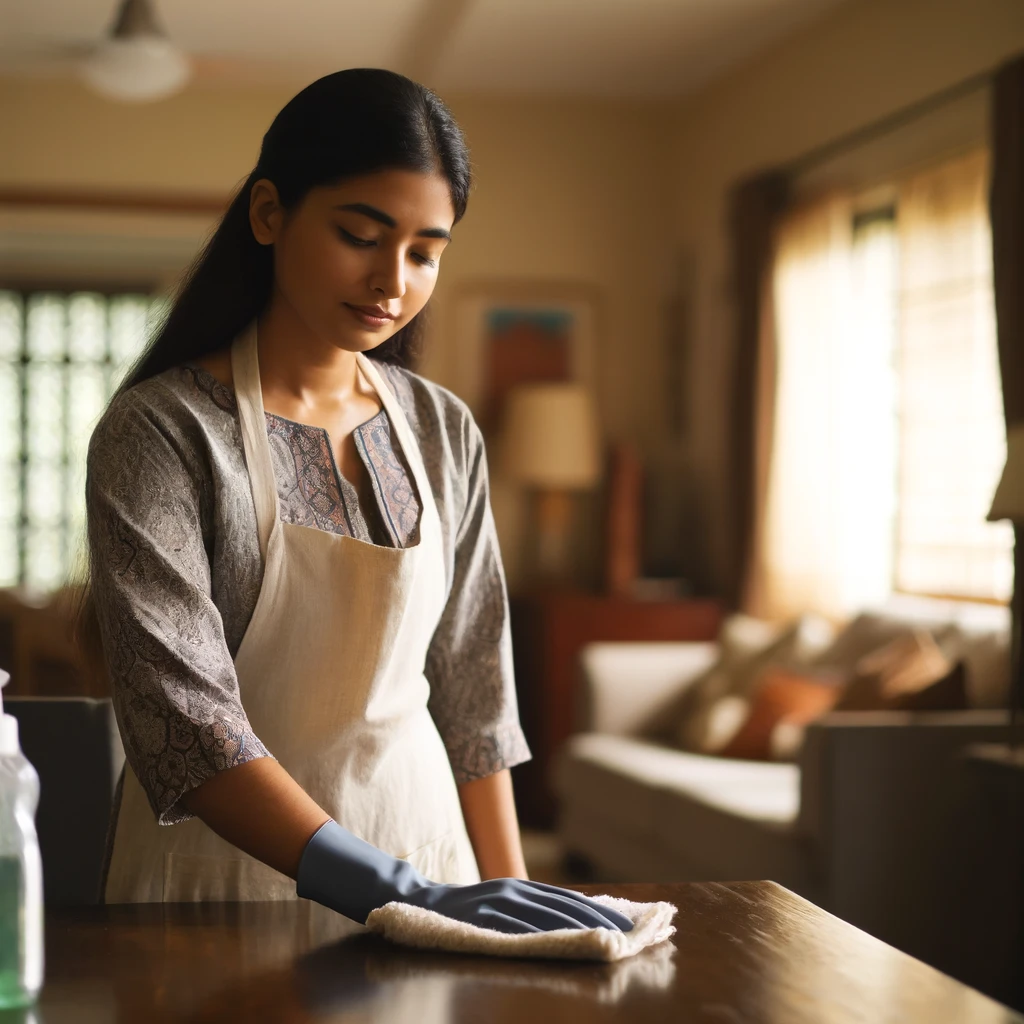
Nepali workers wear many hats: nannies, housekeepers, caregivers, cooks, and more. Their ability to handle multiple responsibilities with grace and competence makes them invaluable to busy families juggling work, children, and social obligations.
Multi-Tasking Without Complaint
Their humility and willingness to help stand out in a world where job descriptions are often rigidly defined. Nepali workers often anticipate needs before they're expressed, creating a smoother household experience for everyone.
Testimonials from Indian Families in NYC
"She has been with us for 5 years. My children love her like a grandmother." — Mrs. Iyer, Queens, NYC
"Our Nepali housekeeper is the backbone of our home." — Mr. Sharma, Jersey City
How Nepali Culture Aligns with Indian Family Values
The Role of Dharma, Service, and Family
Nepali workers are guided by values of seva (service), humility, and duty that resonate deeply with Indian families. This shared ethical framework creates an unspoken understanding that strengthens the employer-employee relationship.
Safety, Ethics, and Community Ties
Reputable agencies like B&H Employment ensure that all workers are verified and come with strong community references. This network of accountability provides peace of mind for families while supporting ethical employment practices.
The Role of B&H Employment in Bridging Two Communities
B&H Employment & Consultancy Inc specializes in connecting Indian families with qualified and trustworthy Nepali domestic workers. Our thorough vetting process ensures that all workers have the necessary skills, experience, and character to excel in Indian households.
If you're looking for reliable domestic help that understands your cultural needs and family values, contact B&H Employment today to learn more about our services.
Frequently Asked Questions (FAQs)
- How do Indian families feel about Nepali workers?
- Calm, reliable, and emotionally bonded.
- Are Nepali workers trained for childcare?
- Many have years of informal experience.
- What makes them trustworthy?
- Community referrals, personal integrity, and cultural values.
- Can they handle cooking and cleaning too?
- Yes, most are multi-skilled.
- What's the average length of employment?
- Many stay for years, some a decade.
- How to hire through B&H Employment?
- Pay a one-time $50 login fee to access verified profiles.